
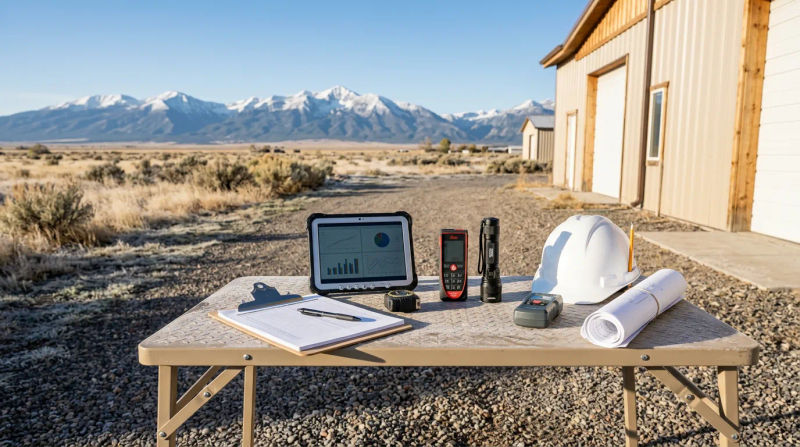
Hi, I’m Travis McKenna, the Field Operations & Service Lead here at Hylander Legend Enterprize LLC. After a dozen years helping property owners with their service needs, I know that one of the first questions on your mind when considering a professional service is, “What’s this going to cost me?” It’s a fair question, and when it comes to a commercial property inspection, the answer isn’t always a simple number. My goal here is to give you a transparent look at commercial inspection costs so you can budget effectively and make a smart investment in your property.
With the first snows on the horizon and freezing nights starting in October here in the San Luis Valley, many property owners I talk to are looking for clarity on pricing. Understanding the condition of your building before winter operating costs rise is crucial. Let’s break down what you can expect.
Average Costs in Alamosa East
Unlike a standard home inspection, which often has a flat rate based on square footage, Alamosa East commercial inspection pricing is much more customized. The scope can vary dramatically from one building to the next. However, I can provide some realistic starting points for your budget.
For a small, straightforward commercial space in Alamosa East - think a small retail storefront or a simple office under 5,000 square feet - you might expect the commercial inspection cost to start in the range of $750 to $1,500.
For a larger or more complex property, like a mixed-use building, a restaurant with commercial kitchen systems, or a light industrial space between 10,000 and 20,000 square feet, the cost will likely be $2,000 to $5,000 or more.
These are baseline figures for a Property Condition Assessment (PCA), which is the industry standard. This assessment covers the major systems and components: the structure, roof, HVAC, plumbing, and electrical systems. The final price depends on a number of variables, which we’ll cover next.
Factors That Affect Price
The final quote you receive is based on the time, expertise, and risk involved in the inspection. Here are the main commercial building inspection cost factors Colorado property owners should be aware of.
- Building Size and Age: This is the biggest driver. A larger building simply takes more time to walk through, evaluate, and document. Older buildings, even those from the 1990s and 2000s, often require a deeper look. Many properties in the Alamosa East area were built during this period, and while they aren't ancient, they are at an age where major systems like roofing and HVAC units are approaching the end of their 20-30 year lifespan. Identifying these upcoming capital expenditures is a key part of the inspection.
- Property Type and Complexity: A simple warehouse is very different from a multi-tenant office building or a former restaurant. The commercial spaces around Alamosa East often include these mixed-use or light-commercial buildings. The more specialized systems a property has - like commercial kitchens, specialized ventilation, fire suppression systems, or elevators - the more time and specialized knowledge are required from the inspector, which affects the cost.
- Scope of the Inspection: Do you need a baseline PCA, or do you require ancillary services? We can tailor the scope to fit your needs, whether it's a baseline overview or an expanded inspection. Additional services that add value and cost include:
- Thermal Imaging: To detect hidden moisture intrusion, insulation gaps, or electrical hot spots.
- Sewer Scope: A camera inspection of the main sewer line to check for blockages, breaks, or root intrusion.
- Accessibility (ADA) Surveys: To assess compliance with the Americans with Disabilities Act.
- Accessibility of Components: This is a surprisingly significant factor. If accessing the roof requires special equipment, or if mechanical rooms and attic spaces are cramped and difficult to navigate, it adds time and complexity to the job. The varied construction of local commercial buildings means access is never a given.
How to Get the Best Value
Getting the “best value” isn’t about finding the cheapest inspection; it’s about getting the most comprehensive information for your money to avoid costly surprises down the road. A low-cost inspection that misses a $20,000 roof issue is no bargain.
- Bundle Your Services: If you think you might need ancillary services like a sewer scope or thermal imaging, it’s almost always more cost-effective to have them done at the same time as the main inspection. This saves on separate trip fees and scheduling hassles.
- Provide Documentation: If you have them, provide your inspector with any existing building plans, maintenance records, and recent repair invoices. This gives my team a head start and allows us to focus our time on verification and discovery rather than basic information gathering.
- Be Clear About Your Goals: Let your inspector know why you're getting the inspection. Is it for a pre-purchase decision, a capital needs assessment for budgeting, or a pre-lease evaluation? Knowing your goal helps us focus the report on what matters most to you.
- Prioritize a Quality Report: The real value is in the final report. A detailed, well-documented report with clear photos and recommendations is your roadmap for negotiations and future maintenance. Ask about the commercial property inspection report turnaround time. A timely report is critical in a real estate transaction, but it shouldn't come at the expense of thoroughness.
Questions to Ask Your Inspector
Before you hire an inspector for your commercial property, you should feel confident in their expertise and process. Here are a few questions I always encourage potential clients to ask:
- What is included in your standard commercial inspection? (This helps you understand their baseline service.)
- Are you certified or trained specifically for commercial inspections, such as following the ASTM E2018 standard?
- Can I see a sample report for a similar type of property?
- What is your typical commercial property inspection report turnaround time?
- What are the primary commercial building inspection cost factors you see for properties here in Colorado?
- Will I be able to walk the property with you during the inspection? (This is a great learning opportunity.)
Investing in a commercial property is a significant financial commitment. The inspection is your tool for due diligence, helping you understand the true condition and potential future costs associated with that investment. The cost of the inspection itself is a small price to pay for the peace of mind and negotiating power that a thorough report provides.
I hope this breakdown has helped demystify the process. My team and I believe in being straightforward and providing practical, field-tested guidance. For a personalized estimate for your property in Alamosa East, contact Hylander Legend Enterprize LLC for a free consultation.