
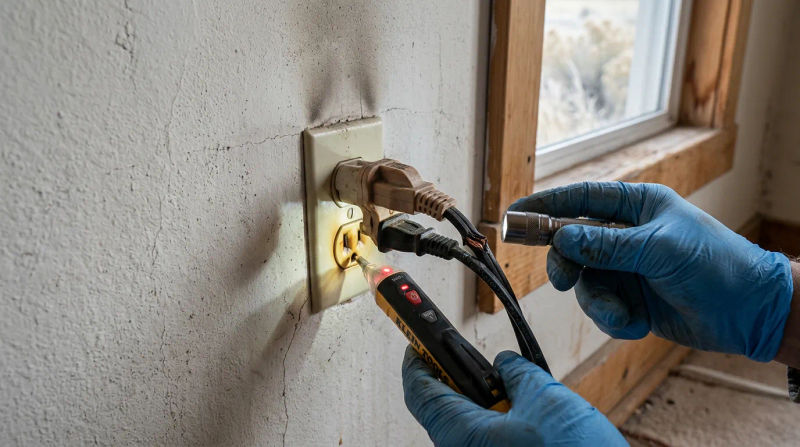
That first real cold snap in October always feels like a switch has been flipped. Here in Blanca, when the nights start dipping below freezing, the first thing many of us do is pull out the space heater or plug in the heat tape for the pipes. But when you plug it in and the lights flicker, or worse, the circuit breaker trips, it’s more than an inconvenience - it's a warning sign from your home's electrical system.
Over my 12 years in the field, I’ve seen this exact scenario play out time and time again. A small, manageable electrical issue that was ignored during the warmer months suddenly becomes an urgent problem when winter demand kicks in. In a mountain climate like ours, where we rely heavily on electricity for heat and safety, ensuring your system is ready for the first snows isn't just a good idea; it's essential. Before the winter season truly settles in, let's walk through the red flags my team and I look for during an electrical safety inspection.
Common Signs and Symptoms
Your home often gives you clues that something is amiss with its electrical system. The key is knowing what to look for. Many of the homes in Blanca date back to the pre-1940s, and these charming, older structures have often seen numerous additions and modifications over the decades. This can create a complex mix of wiring styles and increase the potential for Blanca CO electrical hazards. Here are the most common signs you should never ignore:
- Flickering or Dimming Lights: If your lights dim every time the furnace kicks on or you use the microwave, it could indicate an overloaded circuit or a loose connection somewhere in the system. It's a classic sign that your wiring is struggling to keep up with demand.
- Frequently Tripping Breakers: A circuit breaker is a safety device designed to trip when a circuit is overloaded. If you have to reset the same breaker frequently, it’s not a faulty breaker - it's a sign that the circuit is consistently drawing more power than it can handle. This is one of the most common signs of a bad breaker panel or an overloaded circuit.
- Warm, Discolored, or Buzzing Outlets/Switches: An outlet or switch should never be warm to the touch. Heat is a direct indicator of a loose connection or excessive current flow, which creates a serious fire risk. Any buzzing, crackling, or popping sounds from an outlet, switch, or your breaker panel are immediate red flags.
- A Persistent Burning Smell: This is one of the most alarming signs. A faint, sharp, or acrid smell of burning plastic or wood near an outlet, switch, or the electrical panel means something is overheating to a dangerous degree. Try to identify the source, but do not continue using the outlet. This requires immediate professional attention.
- Loose Outlets: If a plug fits loosely into an outlet, the internal contacts are worn out. This poor connection can lead to arcing - an electrical spark that jumps between connections - which can generate intense heat and ignite nearby materials like dust or drywall.
- Aluminum Wiring: While most common in homes built from the mid-1960s to the late-1970s, many older Blanca homes have had updates during this period. The aluminum wiring warning signs include seeing the metallic sheathing marked with "AL" or "Aluminum" at the breaker panel or outlets. This type of wiring is known to expand and contract more than copper, leading to loose connections and fire hazards if not properly maintained.
What Causes This Problem
Understanding the root cause of these symptoms can help you appreciate the seriousness of the issue. Electrical problems aren't just quirks; they're symptoms of underlying failures that can compromise your family's safety.
Overloaded Circuits are the most frequent culprit, especially in winter. Older homes, particularly the pre-1940s housing stock found in Blanca, were not designed for the number of appliances we use today. A single circuit that was once intended for a few lamps might now be powering a computer, a television, and a 1500-watt space heater. This overwhelms the wiring, causing it to overheat and trip the breaker.
An Aging or Faulty Breaker Panel is another major concern. The panel is the heart of your electrical system. Over time, connections can corrode, breakers can wear out and fail to trip when they should (a major fire hazard), or moisture can get inside, causing rust and failure. If your panel is old, has visible rust, or was made by a manufacturer known for recalls (like Federal Pacific or Zinsco), it’s a significant liability. These are all serious signs of a bad breaker panel that warrant a professional evaluation.
Deteriorating or Damaged Wiring is common in older properties. The simple wood-frame or adobe structures in our area have stood for generations, but so has their wiring. Insulation can become brittle and crack, exposing live wires. Rodents can chew on wiring, and past renovations might have resulted in improper or unsafe connections. In homes from the pre-1940s era, you might even find outdated knob-and-tube wiring, which lacks a ground wire and is not suited for modern electrical loads.
Loose Connections are the hidden danger. As a house settles and wiring ages, connections inside outlets, switches, and junction boxes can become loose. Every time electricity passes through that loose connection, it can create a tiny spark (arcing). This arcing generates immense heat in a very small area, which can easily ignite the surrounding wood, insulation, or drywall, starting a fire inside your walls.
When to Call a Professional
As a homeowner, there are a few things you can safely do. If a breaker trips, you can try resetting it once. If it trips again immediately, do not keep resetting it. Unplug some devices from that circuit to reduce the load and see if that solves the issue. You can also visually inspect your outlets for discoloration or damage.
However, for almost everything else, you need a qualified professional. You should call for an electrical safety inspection immediately if you experience any of the following:
- You smell something burning that you can't identify.
- Your breaker panel is making buzzing or crackling noises.
- You see scorch marks on any outlets or switches.
- A breaker trips repeatedly, even after you've reduced the load.
- You know your home has aluminum wiring or an outdated fuse box.
Working with electricity is not a DIY project. The risk of electrocution or starting a fire is far too high. An experienced professional has the tools and training to safely diagnose issues inside your walls and at the breaker panel, ensuring the repairs are done correctly and to code.
Conclusion
Your home's electrical system works silently in the background, and it's easy to take it for granted until something goes wrong. But as the temperatures drop in Blanca and we demand more from our circuits, those silent systems are put under serious stress. Flickering lights and tripping breakers aren't just annoyances; they are your home's way of asking for help.
Paying attention to these warning signs now, before the heavy snows arrive and you're completely dependent on your electrical system for heat and light, is one of the smartest things you can do as a homeowner. Acting early can prevent a dangerous emergency and give you peace of mind all winter long.
If you notice any of these signs, contact a local, qualified professional for an electrical inspection. They can help you identify and resolve any Blanca CO electrical hazards before they become a crisis.